Retirement activities offer seniors meaningful ways to stay engaged. Purposeful retirement activities encourage personal growth and help seniors build greater fulfillment later in life.
According to Kiplinger, more than 11,000 U.S. adults will turn 65 each day in 2026, equating to 4.1 million annually. This is part of the Peak 65 phenomenon brought on by an influx of aging Baby Boomers.
Finding purpose after retirement supports mental well-being. Meaningful senior engagement motivates seniors to explore new opportunities.
Senior involvement in Indiana provides opportunities for social connection. Programs help older adults contribute to their local communities.
Discover helpful assisted living contribution ideas in Crawfordsville, IN, below.
Is Finding Purpose After Retirement Possible for Older Adults?
An AARP survey from 2025 found that 79% of older U.S. adults said that having a clear sense of purpose is very important. Finding purpose after retirement is possible for older adults who remain open to growth and connection.
Establishing new routines can bring direction back into daily life. For example, volunteer roles offer meaningful ways for seniors to contribute to their community.
Seeking continued education keeps curiosity active and skills evolving. Consistent involvement builds confidence and supports emotional well-being over time.
What Are the Best Purposeful Retirement Activities for Seniors?
Choosing the best purposeful retirement activities varies from person to person. Retirement activities should align with personal values and long-standing interests.
Mentoring younger generations allows older adults to share experience and guidance. Community advocacy work channels time and energy toward meaningful causes.
Creative pursuits such as writing or woodworking provide focused outlets for expression. Part-time consulting keeps professional expertise relevant.
Faith-based involvement offers structure and shared commitment. Each option encourages active community contribution while reinforcing identity.
Which Hobbies Encourage Meaningful Senior Engagement?
Meaningful engagement in senior living helps older adults explore personal interests. Hands-on activities encourage learning new skills.
Gardening allows older adults to nurture living things. Spending time outdoors adds enjoyment and relaxation to the day.
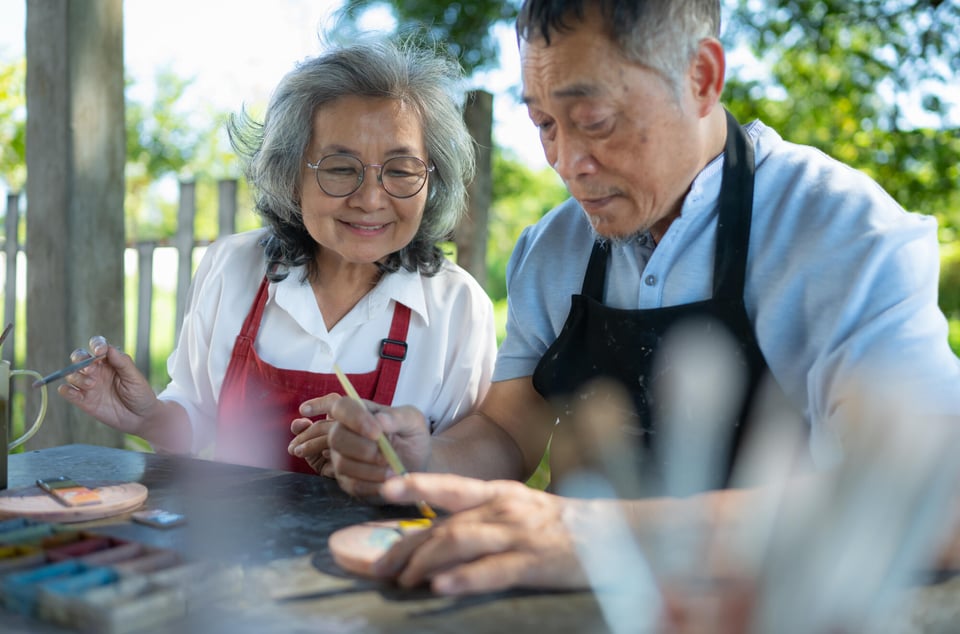
Group music or art sessions foster creativity. Participating in group sessions develops new skills.
Book clubs and discussion groups offer intellectual stimulation. Cooking or photography projects encourage skill development.
Pursuing hobbies allows seniors to practice and refine their abilities. Staying active in their communities allows seniors to share their experiences with others.
How Do Social Clubs and Groups Help Seniors Build Connections?
Social clubs and group activities provide structured settings for seniors to meet peers with shared interests. Regular participation encourages conversation and collaboration.
Built-in opportunities help older adults feel included. Activities such as workshops or hobby groups give members opportunities to learn from one another.
Engaging in clubs fosters confidence in social situations. Frequent interactions create supportive networks that enhance daily life. and reduce feelings of isolation.
How Can Seniors Make Meaningful Contributions in Assisted Living?
Seniors can share expertise and take active roles in their community. Purposeful activities help residents feel valued and confident.
Assisted living contribution ideas include:
- Leading art workshops
- Teaching music classes
- Hosting book discussions
- Mentoring fellow residents
- Assisting with community events
- Supporting community projects
Taking on leadership roles allows seniors to make a meaningful contribution. Serving in support roles reinforces purpose and value in daily life.
What Role Does Lifelong Learning Play in Senior Well-Being?
A study from the University of San Francisco's Fromm Institute for Lifelong Learning revealed that 82% of adults over 50 who returned to the classroom reported improved life satisfaction.
Exploring new subjects gives seniors a sense of achievement. Returning to learning encourages mental stimulation and keeps cognitive skills sharp.
Classes and workshops also create opportunities for social interaction. Keeping the mind intellectually active can improve confidence.
Lifelong learning supports emotional resilience and adaptability in daily life.
How Do Physical Activities Improve Mental and Emotional Health?
Physical activity increases blood flow to the brain. In doing so, it supports better cognitive function.
Movement stimulates endorphin release to elevate mood. Structured exercise provides routine and reinforces discipline.
Achieving fitness goals strengthens self-esteem and personal accountability. Indoor walking routines offer a safe and accessible way to stay active year-round.
Consistent movement also supports better sleep. Improved sleep quality improves emotional balance and clearer thinking.
What Retirement Activities Encourage Personal Growth and Exploration?
Retirement creates a safe space for seniors to reassess their priorities and goals. Exploring unfamiliar subjects challenges long-held assumptions.
Pursuing new ambitions broadens perspectives and viewpoints. Trying new activities builds greater adaptability. Practicing new skills strengthens overall resilience.
For instance, travel experiences expose seniors to different cultures. Learning a new language sharpens memory and expands communication skills.
Creative writing encourages reflection. Joining civic committees develops leadership abilities in community settings.
Personal exploration strengthens identities during major life transitions.
Frequently Asked Questions
How Can Seniors Adapt to Life Changes and Stay Motivated?
Seniors can focus on small, manageable routines to navigate transitions. Setting achievable goals provides structure and momentum.
Reflecting on past successes helps maintain present and future confidence. Trying new problem-solving approaches encourages a flexible mindset.
Celebrating small accomplishments reinforces motivation. Optimism keeps energy high during periods of change.
What Are Creative Ways to Stay Mentally Stimulated in Retirement?
Seniors can try puzzles or brain games to challenge their memory and focus. Learning a new craft develops fine motor skills and encourages problem-solving.
Exploring storytelling or journaling promotes reflection and imagination. Attending workshops or discussion groups introduces fresh ideas.
Playing strategy-based games sharpens planning. It also strengthens decision-making abilities.
What Opportunities Exist for Senior Involvement in Indiana?
Seniors can join local workshops to share their ideas. Public forums give them a chance to speak out about community issues.
Nature preserves offer hands-on work. Planting or cleanup projects help maintain parks.
Community festivals and arts events welcome help. Neighborhood projects let seniors contribute ideas that make a difference.
Experience Lively Senior Living at Whitlock Place Assisted Living in Crawfordsville, IN, Today
Retirement activities provide seniors with ways to stay engaged and try new experiences. Programs and workshops promote mental stimulation and emotional balance. Community involvement helps older adults develop confidence and form meaningful connections.
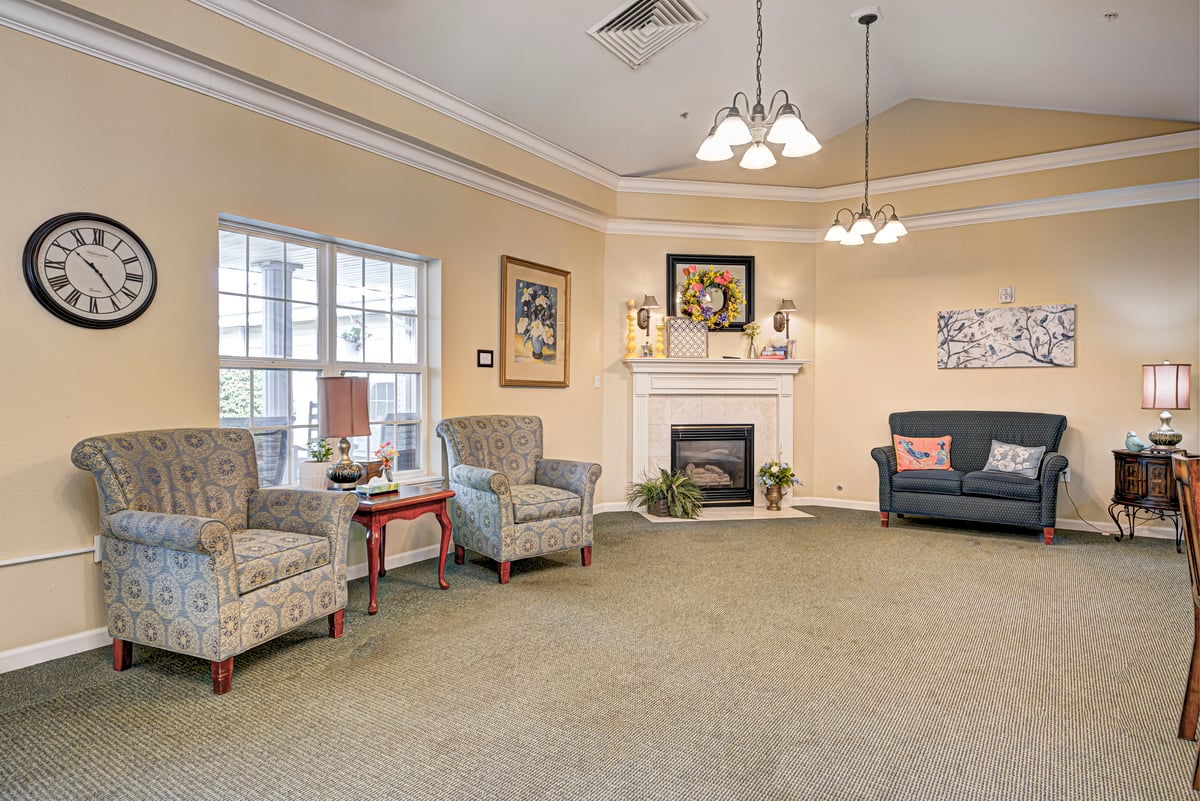
Whitlock Place Assisted Living, located in Crawfordsville, IN, gives seniors the freedom they crave with the help they need upon request. Our inclusive amenities support comfort through thoughtfully designed living spaces. We provide engaging common areas and community activities to encourage residents to stay active.
Contact Whitlock Place Assisted Living to request more information or to schedule your community living tour with us today!