
Summary
Paying for senior living without selling your house is achievable through several flexible financing strategies that let you keep your home while moving to a supportive community. Here's how families can make it work.
- Rent out your home to generate steady income that offsets monthly community fees while maintaining ownership and building future inheritance
- Consider a reverse mortgage (HECM) if you're 62 or older to convert home equity into cash, lump sum payments, or a line of credit without monthly payments
- Explore a home equity line of credit (HELOC) for flexible access to funds, though this option requires monthly payments and works best with reliable income
- Review long-term care insurance policies, which often cover assisted living expenses and preserve home equity for other financial goals
- Combine multiple income sources—Social Security, pensions, rental income, and retirement withdrawals—to create a stable, diversified payment plan
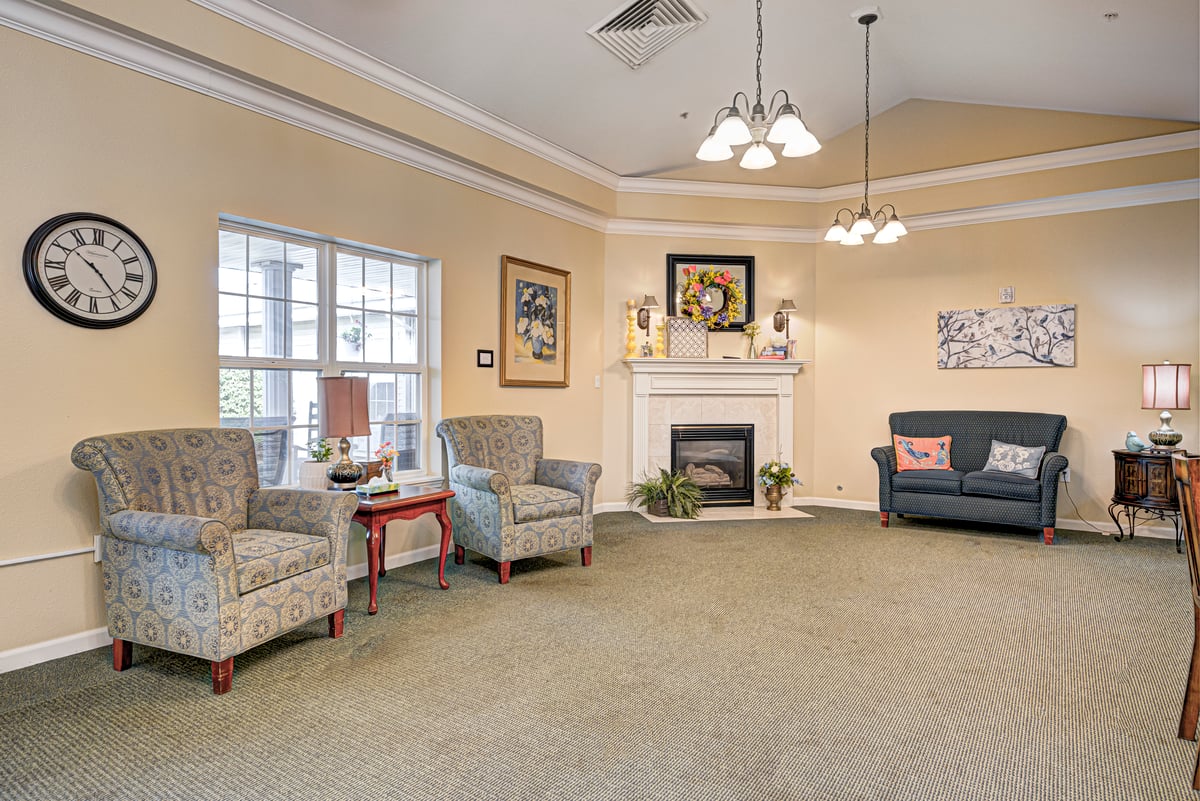
For many families, the biggest worry about a move to senior living isn’t the move itself. It’s the assumption that the house has to go first. Paying for senior living without selling your house is more realistic than most people expect, and several approaches let older adults move into a supportive community like Whitlock Place in Crawfordsville, IN, while keeping the property in the family.
Keeping the family home while moving to senior living offers both emotional comfort and financial flexibility. The house may hold decades of memories, serve as a future inheritance, or simply be the largest asset you own. With the right plan, you can hold onto it and still get the support you need.
Using Rental Income for Senior Living Costs
Renting out the house creates steady income that can offset monthly community fees. Rental income for senior living can supplement Social Security, a pension, or retirement savings while you keep ownership. A property management company can handle maintenance, tenant screening, and rent collection, which reduces your net income but removes most of the stress.
Before counting on rent, research the Crawfordsville rental market and factor in the costs that come with being a landlord:
- Property taxes and homeowners insurance
- Ongoing maintenance and repairs
- Management fees, if you hire a company
- Occasional vacancies between tenants
Rental income tends to work best when the house is in good condition and in a location with reliable demand.
Exploring a Reverse Mortgage for Senior Care
A reverse mortgage for senior care lets homeowners age 62 and older convert home equity into cash without selling. Home Equity Conversion Mortgages (HECMs), insured by the Federal Housing Administration, are the most common type. No monthly loan payments are required, though you still cover taxes, insurance, and upkeep. Funds can arrive as:
- A lump sum for immediate expenses
- Monthly payments for ongoing costs
- A line of credit for flexible access
One important detail: a HECM generally becomes due when the last borrower no longer lives in the house as a primary residence for more than 12 months. That makes this option a better fit when a spouse stays in the home, or as a bridge while other arrangements come together. Talk with a HUD-approved counselor before moving forward so the terms, costs, and timing are clear.
Using a Home Equity Line of Credit
A home equity line of credit, or HELOC, provides flexible access to funds based on the equity you’ve built. Unlike a reverse mortgage, a HELOC requires monthly payments, but it usually carries lower upfront costs and gives you more control over how much you borrow. Among senior living payment alternatives, it works well for people with enough monthly income to cover the payments.
A HELOC functions much like a credit card, letting you draw what you need up to an approved limit. That flexibility helps during a transition when costs vary month to month. Rates are typically variable, so budget for the possibility of higher payments. This option can also make sense if you plan to sell eventually but want to wait for better market conditions.
Reviewing Long-Term Care Insurance
Long-term care insurance often covers community living expenses, including care services. If you bought a policy years ago, pull it out and review which services qualify. Many policies cover Assisted Living at Whitlock Place and communities like it, which preserves home equity for other purposes.
Call your insurer to clarify the claims process and the documentation required. Some policies have an elimination period before benefits begin, so plan for that gap. Knowing exactly what’s covered makes budgeting easier and lowers the stress of the transition.
Combining Multiple Income Sources
Most families land on a mix of financing senior living options rather than a single source. Income streams that often work together include:
- Social Security benefits
- Pension income
- Withdrawals from retirement accounts
- Veterans benefits, including savings through the Whitlock Place Veterans Program for those who qualify
- Rental income from the family home
Combining sources adds stability and reduces reliance on any one of them. Build a budget that accounts for community fees alongside the house’s upkeep, taxes, and insurance. At Whitlock Place, chef-prepared meals, weekly housekeeping, and scheduled transportation are part of monthly pricing, which makes the senior living side of the budget easier to predict. A financial advisor who specializes in senior care planning can help put the pieces together.
Take the Next Step in Crawfordsville
Keeping the house and moving to a community aren’t opposing goals. With a clear plan, families in Crawfordsville can have both, along with evenings by the gazebo and a neighborly place to call their own. Schedule a personalized tour of Whitlock Place to see the apartments, from the Spruce suite to the two-bedroom Cedar, and talk through your options with the team.