
Summary
Downsizing tips for seniors moving can make the transition to a smaller home easier and more manageable. By planning thoughtfully and prioritizing what matters most, families can create a comfortable new space while keeping treasured belongings.
- Measure furniture against floor plans before move-in and choose multi-purpose pieces that fit the space while maintaining comfort and functionality.
- Focus on kitchen essentials like coffee makers and basic utensils rather than full cookware collections, since many communities provide restaurant-style dining.
- Keep meaningful personal items such as photographs, hobby supplies, and keepsakes that help the new home feel familiar and welcoming.
- Simplify wardrobes by selecting comfortable, versatile clothing suited for daily wear plus a few special occasion outfits.
- Incorporate technology like tablets and smartphones for staying connected, and plan room arrangements carefully to ensure safety and easy movement.
Moving to a smaller home is a big milestone, and it's often accompanied by a mix of excitement and uncertainty. A lifetime of memories can make it difficult to decide what to keep and what to let go. The good news is that thoughtful planning can make the transition much easier. These downsizing tips for seniors moving can help families create a comfortable, functional new home while keeping the belongings that matter most.
The key is to start early and tackle the process one room at a time. When helping parents downsize belongings, remember that the goal isn't simply to reduce clutter. It's to create a space that feels familiar, welcoming, and easy to enjoy.
Choose Furniture That Fits the Space
Furniture often has the biggest impact on comfort and functionality. Before moving day, review the apartment floor plan and measure larger pieces to ensure they'll fit comfortably.
Consider bringing:
- A favorite recliner or reading chair for everyday comfort
- A supportive bed, nightstand, and dresser
- A small dining table or drop-leaf table for visiting family and friends
- Multi-purpose furniture with built-in storage
At Whitlock Place in Crawfordsville, residents enjoy thoughtfully designed apartments that are easier to maintain while still leaving room for treasured furnishings and personal touches. Choosing only the pieces you use regularly helps keep the apartment open, comfortable, and easy to navigate.
Restaurant-style dining is also available every day, so there's less need for oversized dining furniture or large kitchen storage.
Decide What to Bring to Senior Living
One of the biggest questions families ask is what to bring to senior living. Since many daily meals are prepared by the community, most residents don't need a full kitchen's worth of cookware.
Instead, focus on essentials such as:
- A coffee maker or electric kettle
- Microwave-safe dishes and basic utensils
- A few favorite serving pieces for family visits
- Basic cookware if the apartment includes a kitchenette
- Food storage containers and mixing bowls
Small appliances that are used regularly are worth keeping, while duplicate gadgets and specialty cookware can usually be donated or passed along to family members.
Keep the Personal Items That Feel Like Home
Decluttering before a senior living move doesn't mean giving up the items that tell your family's story. Personal belongings often provide the greatest sense of comfort during a transition.
Prioritize meaningful keepsakes like:
- Family photographs and photo albums
- Favorite books, crafts, or hobby supplies
- Religious or cultural items
- Memory boxes filled with letters and special mementos
- Seasonal decorations that bring familiar traditions to life
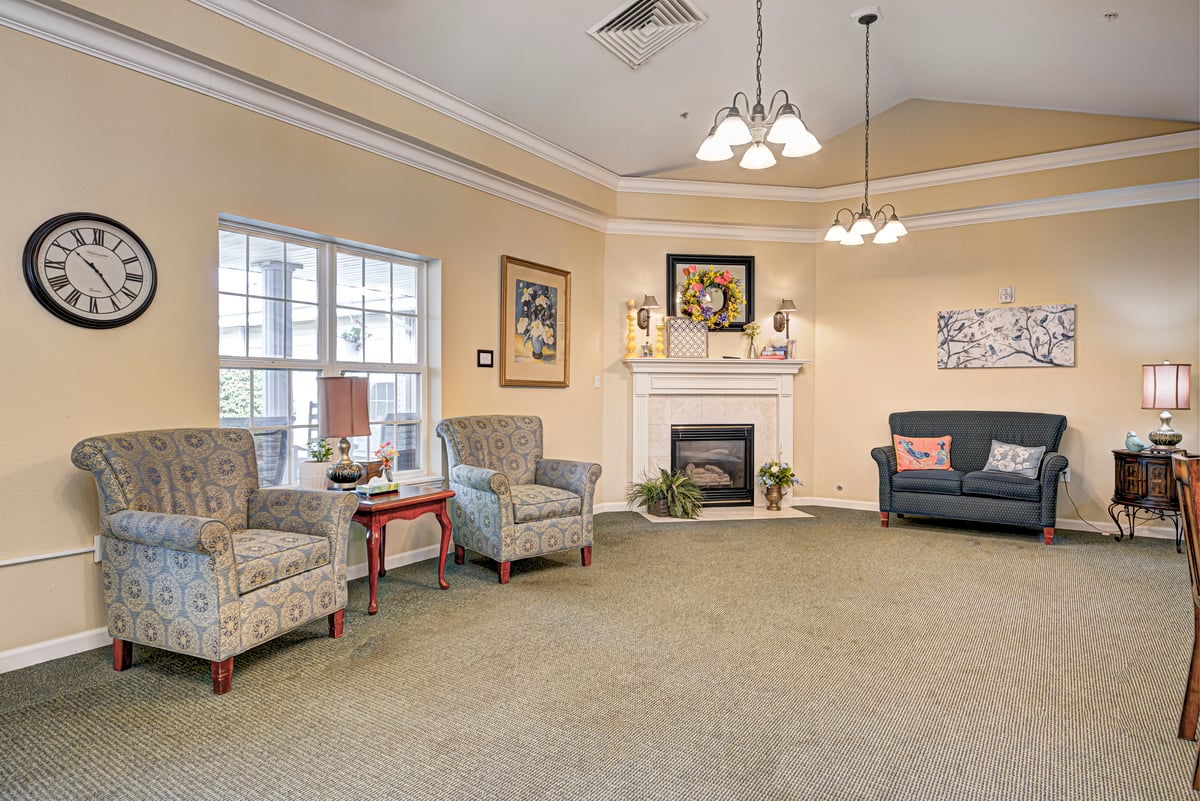
At Whitlock Place, welcoming shared spaces and daily social programs make it easy for residents to stay engaged while still enjoying the comforts of their own apartment. Personal décor helps every space feel uniquely their own.
Simplify the Wardrobe
When moving a parent to a smaller home, closet space naturally becomes more limited. Rather than bringing everything, focus on clothing that's comfortable, versatile, and appropriate for everyday life.
Consider keeping:
- Easy-care clothing for daily wear
- Favorite outfits for family gatherings and special occasions
- Comfortable walking shoes
- Weather-appropriate outerwear
- A small selection of dressier clothing
Many families also rotate seasonal clothing throughout the year, storing off-season items with relatives if additional space is needed.
Make Technology Part of the Plan
Technology helps residents stay connected with loved ones while enjoying entertainment and lifelong learning.
Useful items include:
- Smartphones or tablets for video calls
- Laptops for email and online banking
- Bluetooth speakers or music players
- E-readers that save shelf space
- Favorite puzzles, games, or other hobbies
Before moving, take time to recycle outdated electronics and extra charging cables. Bringing only current devices helps reduce unnecessary clutter.
Plan Every Room Carefully
Successful senior apartment space planning focuses on both comfort and convenience. Every item should have a purpose while leaving enough open space to move around safely.
As you arrange the apartment:
- Place frequently used items within easy reach.
- Use attractive storage baskets or organizers to reduce clutter.
- Add lamps for comfortable reading and better lighting.
- Include a few houseplants if they're easy to maintain.
- Display favorite artwork to create a familiar atmosphere.
Taking time to thoughtfully arrange the apartment makes the new home feel comfortable from the very first day.
Frequently Asked Questions
How Can Families Make Downsizing Less Stressful?
Start several weeks or months before the move and work through one room at a time. Breaking the project into smaller tasks helps everyone stay organized and reduces decision fatigue.
What Should Families Avoid Bringing?
Large furniture that won't fit comfortably, duplicate kitchen items, outdated electronics, and belongings that haven't been used in years are often good candidates to leave behind.
How Can Whitlock Place Help During the Transition?
Whitlock Place offers a welcoming, neighborly environment where residents enjoy comfortable apartments, chef-prepared dining, engaging daily programs, and opportunities to build lasting friendships in the Crawfordsville community. Learning about apartment layouts before move-in can also make planning much easier.
For more helpful resources, visit our Senior Living Resources page to learn about preparing for a move, or explore our Assisted Living page to see how Whitlock Place supports residents each day.
Contact Whitlock Place to schedule a tour and learn how our welcoming community can help make your next move a smooth and comfortable transition.