
Summary
Recognizing the signs parent cannot live alone helps families make thoughtful decisions about care before a crisis occurs. If your parent is struggling with hygiene, medications, nutrition, safety, or social isolation, it may be time to explore Assisted Living support.
- Changes in personal grooming, clothing care, or bathing habits can signal that daily assistance is needed
- Missed medications, expired prescriptions, or forgotten appointments indicate medication management support would help
- Weight loss, skipped meals, or reliance on snacks suggest nutritional concerns require attention
- Falls, bruises, or unsafe home conditions create urgent safety risks that community living can reduce
- Social withdrawal and isolation affect emotional well-being and may mask other health concerns
Watching a parent age can bring mixed emotions. You want to respect their independence, but safety concerns may begin to surface. Many adult children notice small changes first, then realize those changes are part of a larger pattern.
Understanding the signs parent cannot live alone can help your family make thoughtful decisions before a crisis happens. If your loved one is struggling with daily routines, meals, mobility, medication management, or isolation, it may be time to explore support such as Whitlock Place in Crawfordsville, IN.
Changes in Hygiene and Grooming
One of the earliest signs that a parent needs daily assistance may appear in personal care habits. A parent who once took pride in their appearance may begin wearing stained clothing, skipping showers, or letting grooming routines slide.
These changes may happen because bathing feels unsafe, laundry is too tiring, or memory changes make routines harder to follow. They deserve attention because poor hygiene can affect comfort, confidence, and overall well-being.
Watch for signs such as:
Unwashed hair, body odor, or changes in grooming habits
Clothing that appears stained, wrinkled, or worn repeatedly
Skipped bathing, oral care, shaving, or nail care
Avoiding laundry or letting clothing pile up
Less interest in appearance after years of consistent routines
At Whitlock Place, residents can receive support with bathing, dressing, medication management, and other daily needs while living in a warm community setting on South Elm Street.
Medication Mistakes and Missed Appointments
Medication routines often become more complicated with age. Multiple prescriptions, different dosage times, refills, and provider instructions can be difficult to manage alone.
If you notice expired medications, duplicate pill bottles, missed doses, or confusion about when to take prescriptions, it may be time to seek help. Missed appointments, unopened mail from healthcare providers, or forgotten follow-ups can also signal that a parent needs more help.
Assisted Living at Whitlock Place offers personalized support plans and trained team members who can assist with daily routines. This can help families feel more confident that important needs are being noticed and addressed.
Poor Nutrition or Weight Loss
Senior parent living alone dangers often show up in the kitchen. A parent may stop cooking because shopping is difficult, standing at the stove feels tiring, or eating alone has become unappealing. Over time, skipped meals can affect strength, mood, memory, and fall risk.
Look for nutrition concerns such as:
Expired food, empty cabinets, or spoiled items in the refrigerator
Unopened meal deliveries or uneaten groceries
Noticeable weight loss or loose-fitting clothing
Reliance on snacks, sweets, or very limited meals
Less interest in cooking or eating alone
Whitlock Place offers meals, housekeeping, transportation, and a supportive dining environment where residents can enjoy regular meals with others. Shared dining can help support both nutrition and social connection.
Falls, Bruises, and Home Safety Concerns
Parent safety concerns at home become urgent when falls, near falls, burns, or unexplained injuries appear. A parent may not always mention a fall because they feel embarrassed or fear losing independence.
Pay attention to bruises, changes in walking, fear of using stairs, or furniture being used for balance. Also look for cluttered walkways, poor lighting, loose rugs, or kitchen hazards such as burned cookware.
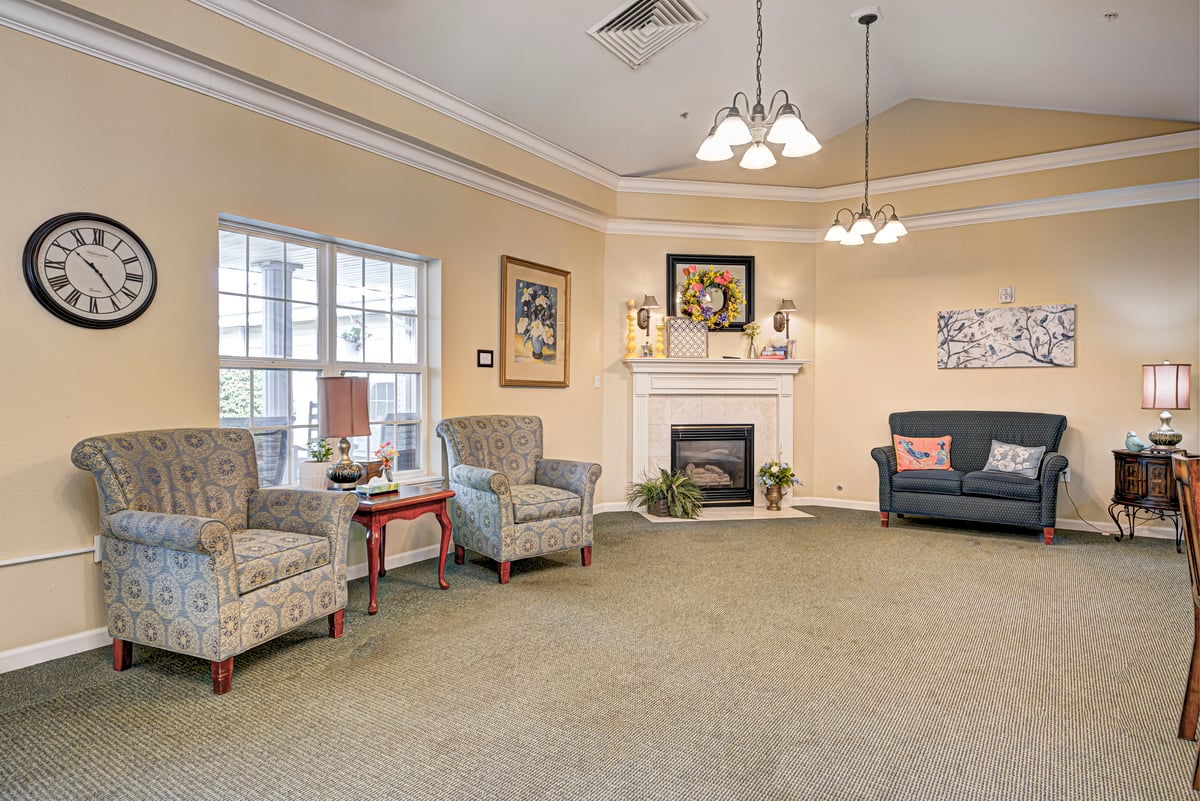
Whitlock Place offers apartment-style living, community-operated transportation, shared spaces, and team members available to provide support. For families worried about safety, a senior living community can reduce many daily risks connected to living alone.
Social Withdrawal and Isolation
When to consider senior living is often tied to safety, but emotional well-being matters too. A once-social parent may begin declining invitations, missing familiar gatherings, avoiding phone calls, or spending most of the day alone.
Isolation can affect mood, motivation, sleep, appetite, and overall health. It may also make other concerns worse because there are fewer people nearby to notice changes.
Whitlock Place offers social events, scheduled outings, shared dining, and community spaces where residents can build familiar relationships. A friendly, neighborly setting can make daily connection easier than it may be at home.
Assessing Independence with Compassion
Assessing whether a parent can still live alone should be based on patterns, not one difficult day. Look at what has changed over several weeks or months. Then start a calm conversation focused on support, safety, and quality of life.
Helpful next steps include:
Write down specific concerns you have noticed
Talk with your parent’s healthcare provider about safety and daily needs
Ask your parent what feels harder at home now
Tour communities before an emergency forces a quick decision
Compare home support with Assisted Living services, dining, transportation, and daily help
Families can explore Assisted Living and community lifestyle at Whitlock Place to better understand how support and independence can work together.
FAQ: When a Parent Needs More Help
What Are the Biggest Signs a Parent Cannot Live Alone?
Repeated falls, poor nutrition, missed medications, unsafe home conditions, isolation, and changes in hygiene are important warning signs.
How Do I Bring Up Senior Living with My Parent?
Start with specific concerns and speak calmly. Focus on what could become easier, safer, or less stressful.
Does Assisted Living Mean My Parent Loses Independence?
No. Assisted Living provides support with daily routines while encouraging residents to make choices about meals, schedules, interests, and social life.
When Should Families Tour a Community?
Tours can be scheduled at any time, and often families find starting tours sooner than later helps to ease everyone through the process and offer ample time to visit all options. Seeing options early can help families make a more thoughtful decision.
Plan the Next Step with Confidence
Recognizing the signs parent cannot live alone can be emotional, but it can also help your family make a safer, more supportive plan. If your parent is missing meals, falling, forgetting medications, withdrawing socially, or struggling with daily routines, it may be time to explore senior living.
At Whitlock Place in Crawfordsville, IN, residents can enjoy Assisted Living in a warm, welcoming community with personalized support, meals, housekeeping, transportation, social events, scheduled outings, and team members available to help with daily needs.
Contact Whitlock Place to schedule a tour.